
In brief
UNIFIL’s chief Jean‑Pierre Lacroix cautioned that a withdrawal could expose southern Lebanon to heightened tensions between the Lebanese army and Israel’s Defense Forces. The UN stresses its long‑standing role in monitoring the area and enabling humanitarian aid for thousands of residents. The Security Council has yet to decide on a replacement arrangement, while Israel and the U.S. push for the mission’s end.
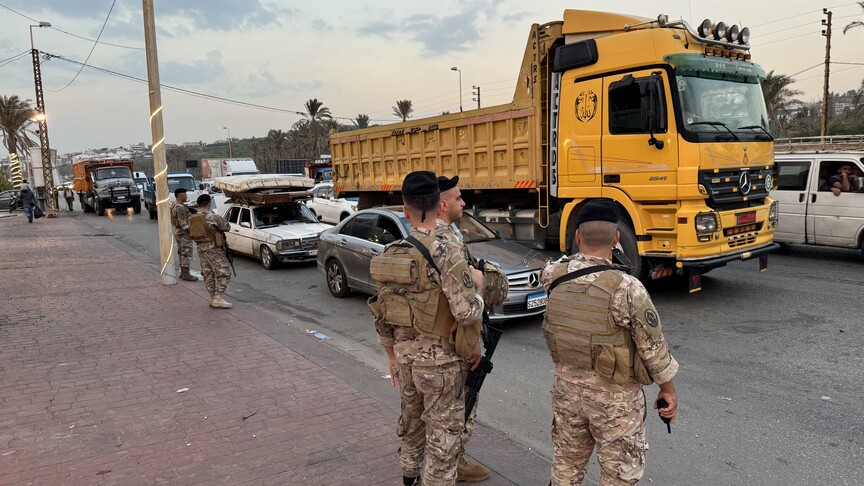
UN officials warned Wednesday that pulling the last of the United Nations peacekeeping force out of southern Lebanon could leave a safety gap that might spark new tensions between the Lebanese army and the Israel Defense Forces, according to Anadolu Agency reporting on Jean‑Pierre Lacroix, UN peacekeeping chief.
Lacroix said he had spoken to Lebanese officials who voiced worry that losing a third‑party presence would undermine decades of monitoring and communication by UNIFIL along the Blue Line. He tacked his concerns onto a broader statement of the mission’s humanitarian importance, noting that around 10,000 people still live between Israel’s forward defense line and the Blue Line.
Do we really believe that the Lebanese army and the Israel Defense Forces can be just left facing one another without any third party?
After the question, Lacroix explained that UNIFIL’s potential withdrawal is “ready but flexible” in order to accommodate a possible future UN presence if the Security Council teams on a replacement arrangement. He said the Withdrawal plans were being prepared but could be altered to fit a future mission.
He added that the mission’s departure would “leave a gap not only in monitoring but also in coordinating humanitarian convoys and preventing unintended escalation.” The United Nations has yet to receive a clear guideline from the Security Council regarding a successor.
Meanwhile, Israel – with U.S. backing – backs ending the mission, raising concerns that the Lebanese forces and the Israeli Defense Forces could become face‑to‑face without a neutral third party to keep the peace.