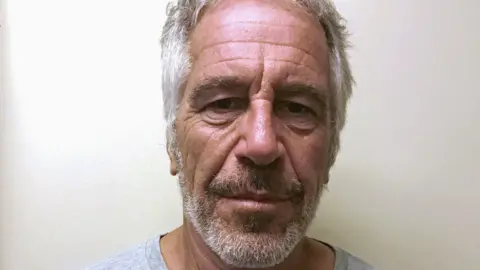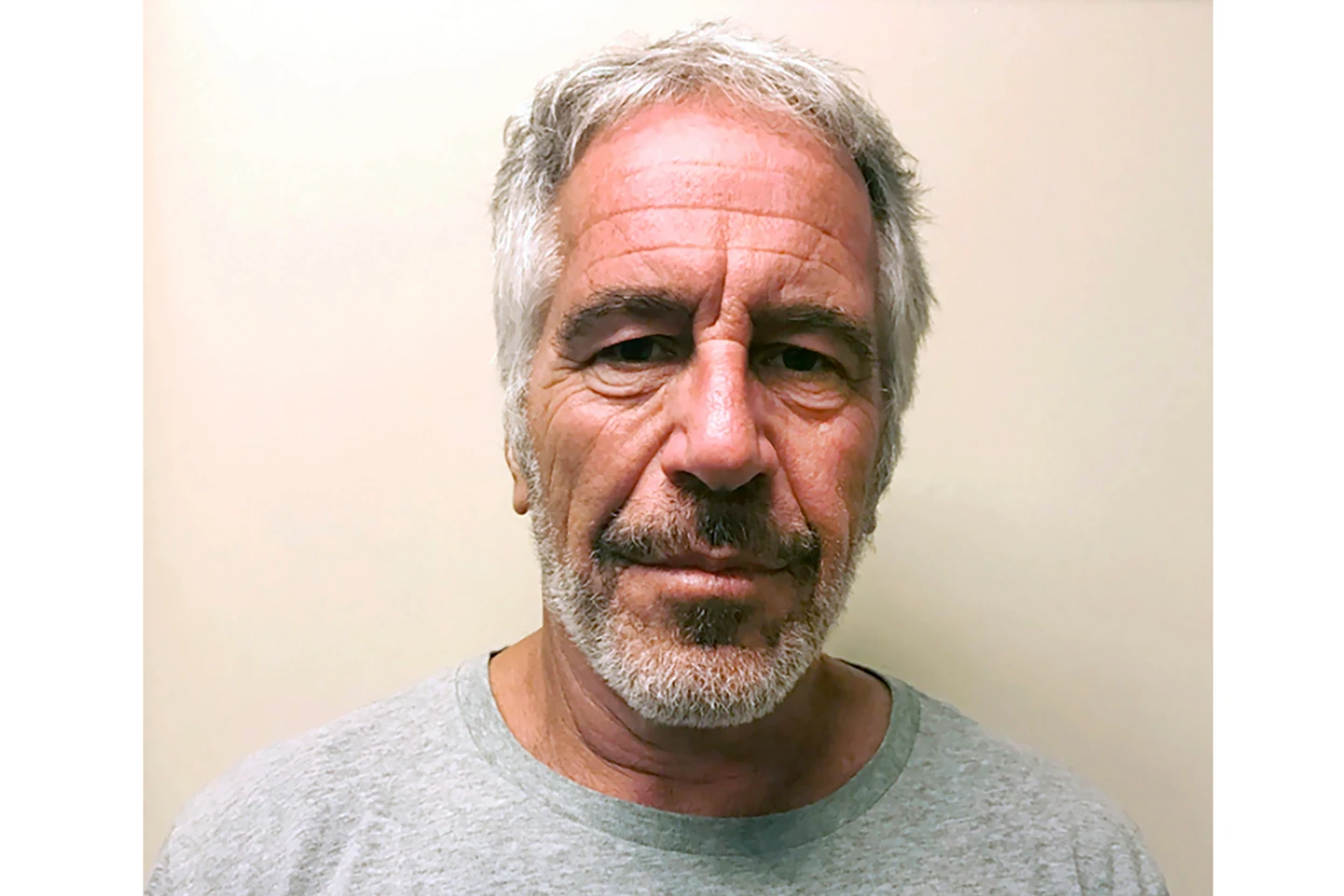
The release of thousands of pages of documents related to the late sex offender Jeffrey Epstein's abuse has left some who were anxiously awaiting the files disappointed.
The documents' release was prompted by an act of Congress that directed the US Justice Department (DOJ) to make materials related to Epstein's crimes public. But some documents have numerous redactions, and others have not been shared publicly at all.
The lawmakers who pushed for these documents to see the light of day have said the release is incomplete and described the Justice Department's efforts as insincere.
Some legal experts also warned that the breadth of redaction may only fuel ongoing conspiracy theories.
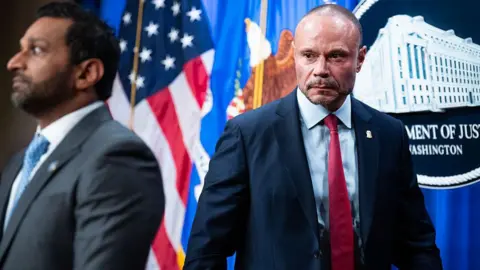
But Deputy US Attorney Todd Blanche said on Friday - the day the materials were released - that the department identified more than 1,200 Epstein victims or their relatives, and withheld material that could identify them.
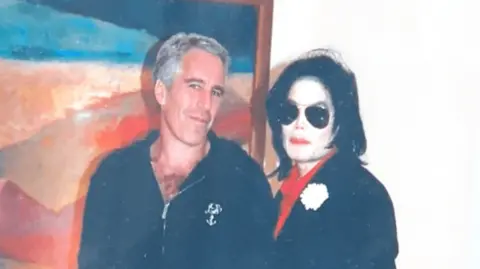
Among the latest released information is a photo of Epstein confidante Ghislane Maxwell outside Downing Street, a document that claims Epstein introduced a 14-year-old girl to US President Donald Trump at Mar-a-Lago, and multiple images of former President Bill Clinton.
Trump has consistently denied any wrongdoing in relation to Epstein and has not been accused of any crimes by Epstein's victims. Clinton has never been accused of wrongdoing by survivors of Epstein's abuse and has denied knowledge of his sex offending.
But many of the documents are also heavily redacted. The Justice Department said it would comply with the congressional request to release documents, with some stipulations.
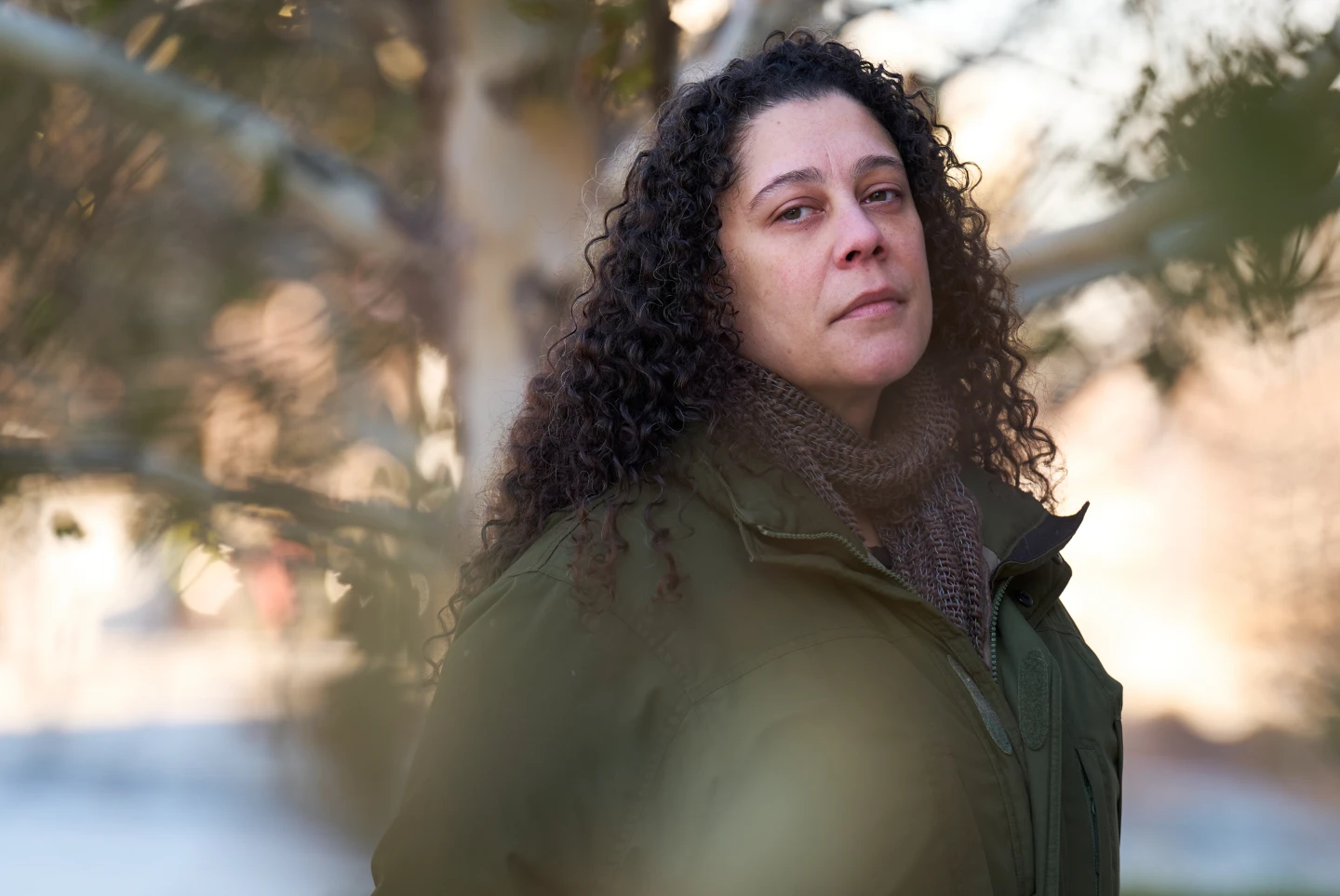
Survivors of Epstein's abuses are among those most frustrated by the release. Epstein survivor Liz Stein observed that the Justice Department is really brazenly going against the Epstein Files Transparency Act, while other survivors are concerned about the lack of context in the released information.
Democrat Congressman Ro Khanna and Republican Congressman Thomas Massie have voiced concerns over the incompleteness of the release. They assert that the redactions fail to comply with both the spirit and the letter of the law.
In a post on X, the DOJ said it was not redacting the names of any politicians, asserting full transparency, while the White House called the Trump administration the most transparent in history. The controversy surrounding these documents continues to unfold, leaving many advocates for Epstein's victims demanding more accountability.