
In brief
Xinhua’s preliminary count indicates no outright majority for either Netanyahu’s bloc or the opposition in Israel’s parliament. CNN and PBS report differing seat estimates, emphasizing the uncertainty surrounding the new government formation.
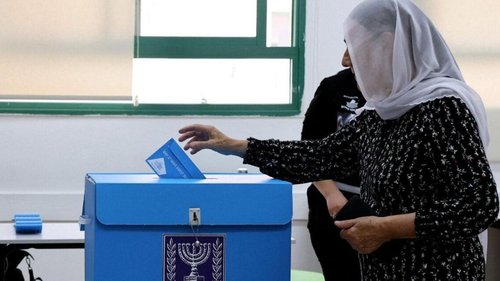
Preliminary tallies released by Xinhua on 28 October reveal that neither Benjamin Netanyahu’s coalition nor the opposition bloc secured a majority in Israel’s 120‑member Knesset, leaving the country in a hung parliament.
Netanyahu’s coalition is projected to have 54 seats according to a CNN report providing counts from 70.7% of the ballots, short of the 61 seats required for a majority. In contrast, PBS exit‑poll data shows the coalition could receive around 50 seats, while the opposition may secure 52–53 seats and the nine Arab parties 17–18 seats.
The differing estimates underscore the volatility of the count and the uncertainty about which side will ultimately need to craft a governing coalition. Analysts point to the urgency for parties to enter negotiations as the polling stations close and the final votes are tabulated.
With no party holding a clear majority, Israel will once again need to form a coalition government, a process that has historically involved extensive coalition talks among dozens of parties. The outcome will shape the country’s political direction and policies in the coming months.